
What to Do When a Wedding Dress Hem Is Too Short

A hem that lands higher than expected can change the entire feeling of a gown. Whether you are looking at a short tight wedding dress, a style that reads more dress short wedding than sweeping bridal, or you are worried your wedding dress hemmed too short, the good news is that there are often thoughtful solutions.
The right answer depends on the dress itself: its fabric, silhouette, seam structure, and how it was originally designed to fall. In this guide, we will walk through why a hem can end up too short, what can sometimes be adjusted, how a short torso wedding dress can affect proportion, and when a gown may be better reimagined rather than simply altered. If you are navigating this in real life, an in-person fitting is the best place to understand your options with clarity and confidence.
Why Hems End Up Short
A gown can feel unexpectedly short for several reasons. Sometimes the dress was ordered to a standard length that does not account for your height, heel choice, or the way your body carries the skirt. In other cases, a previous alteration may have removed more length than intended, leaving the hem higher than the bride imagined.
This is especially noticeable in silhouettes with clean lines or fitted skirts, where even a small change in length can alter the entire balance of the dress. A short bridal wedding dress may be intentional and chic, but if you expected a longer, more traditional sweep, the difference can feel dramatic. That is why it helps to evaluate the gown in person, with the shoes and underpinnings you plan to wear, before deciding what comes next.

Can A Hem Be Let Out
Sometimes, yes — but only if the construction allows it. Many gowns have limited extra fabric in the hem, and intricate lace, beading, or horsehair trim can make lengthening more complicated. A skilled bridal specialist can look at the seam allowances and determine whether the dress can be let down, whether a new hem treatment is possible, or whether the design needs a different approach.
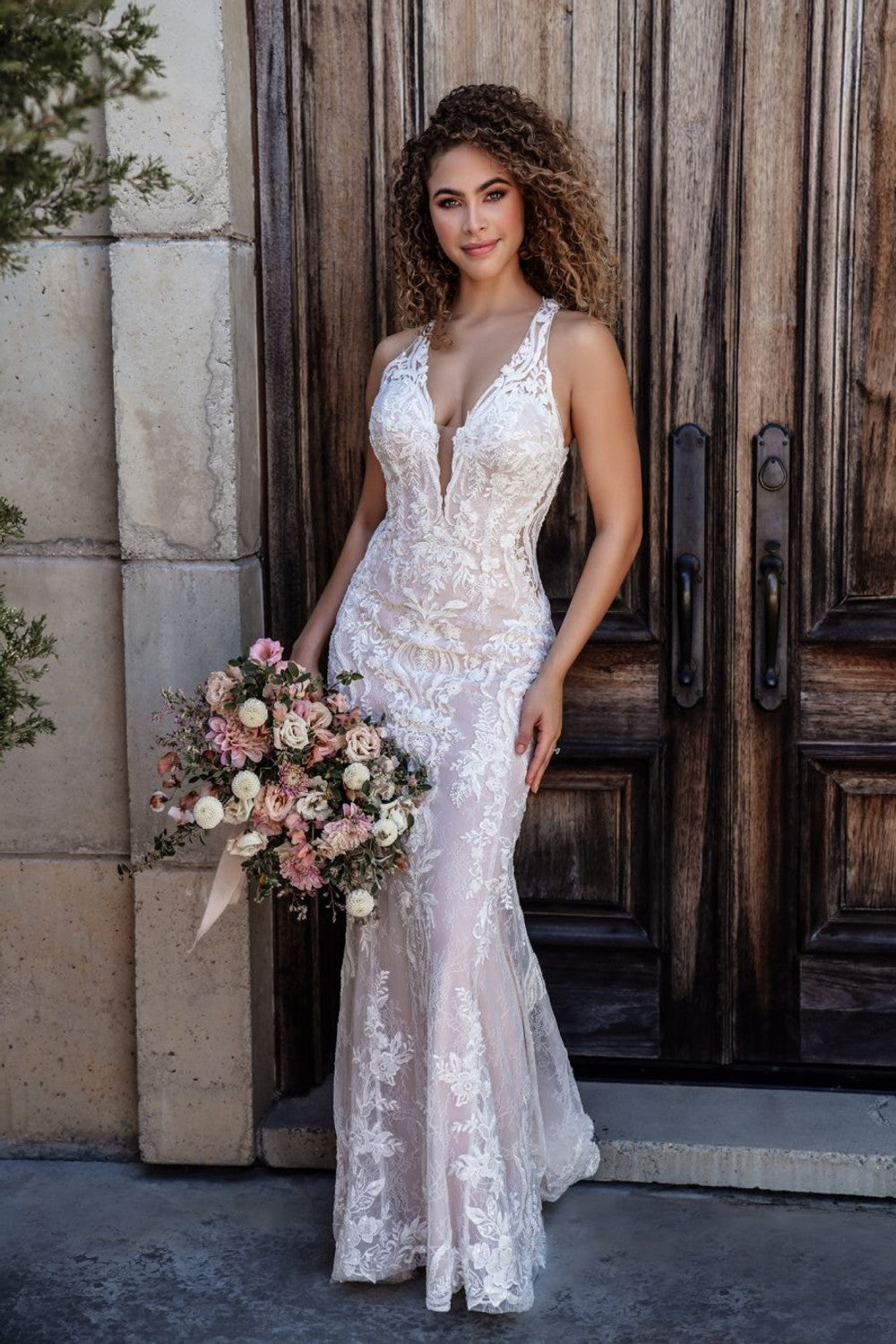
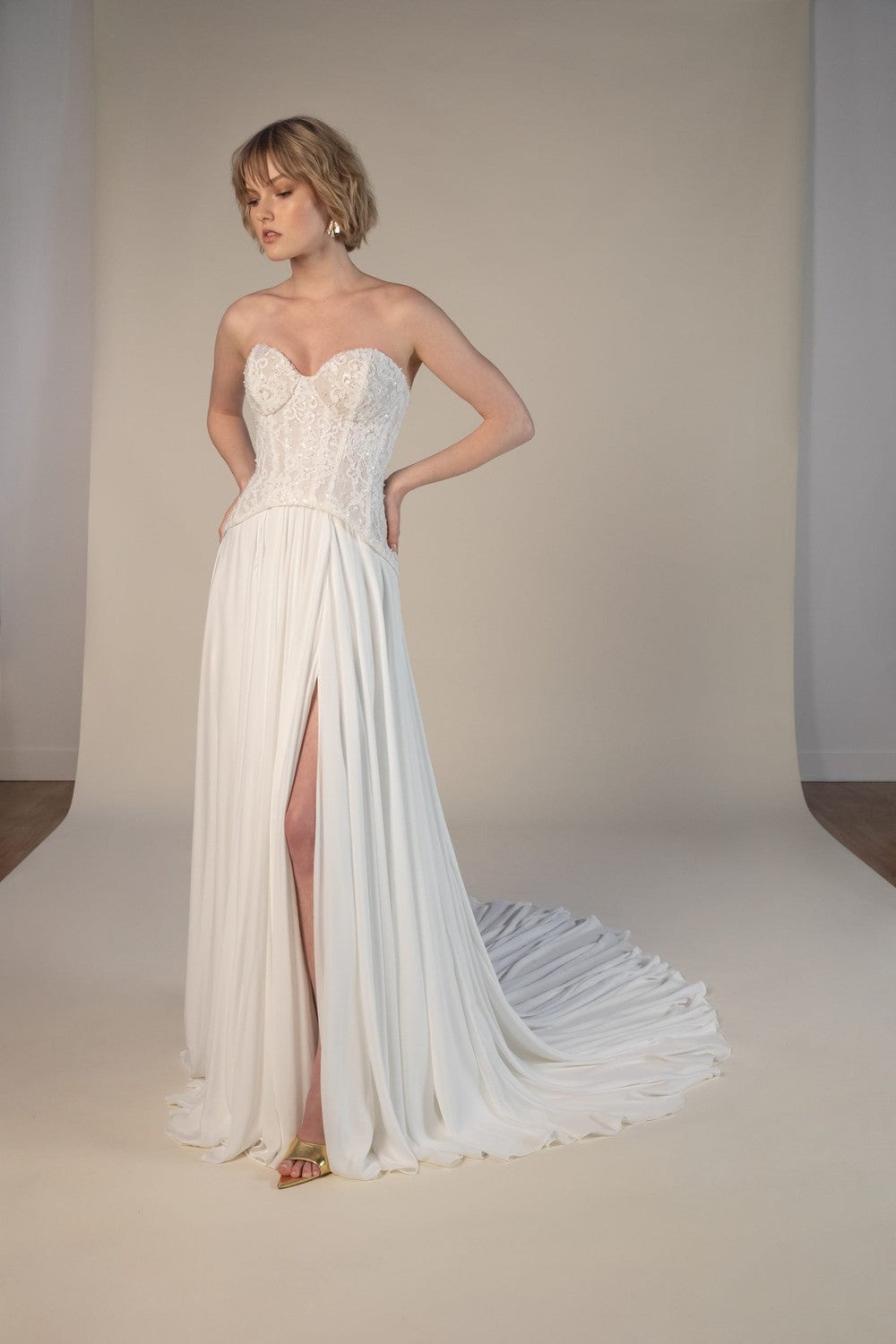
If the dress is already reading as a short wedding dress, the goal is not simply to add inches at any cost. It is to preserve the integrity of the silhouette. A beautifully fitted hem should skim the floor, reveal the shoe at the right moment, and keep the gown feeling intentional. That balance is especially important for a long to short wedding dress transformation, where the final proportion must look designed rather than improvised.
When Proportion Matters Most
Proportion is everything in bridal styling. A short torso wedding dress, for example, can benefit from a hemline that elongates the body and keeps the eye moving vertically. If the skirt is too short, the waistline may feel compressed and the gown can lose the elegance it had on the hanger.
The same is true for brides considering a used short wedding dress or a gown that was previously altered. Vintage or pre-loved pieces can be beautiful, but they often require a careful reassessment of length, structure, and fit. In some cases, the most flattering solution is not to chase a longer hem, but to refine the rest of the gown so the proportions feel harmonious from bodice to floor.
Styling A Shorter Bridal Look
Not every shorter hem is a problem. Some brides are drawn to a hippie wedding dress short in spirit — relaxed, unexpected, and a little freer than a formal ballgown. Others love the ease of a short dress wedding look for a city celebration, a second look, or a reception moment. The key is intention.
If the dress is meant to be short, the styling should support that choice with confidence: elegant shoes, a polished hem finish, and accessories that feel elevated rather than casual. If the dress was not meant to be short, the styling job becomes different. The goal is to restore the sense of occasion so the gown still feels bridal, even if the length is more modern than expected.
Why An In-Person Fitting Helps
When a hem feels off, online advice can only go so far. Fabric behavior, body shape, posture, and shoe height all affect where a dress should fall. A fitting allows an expert to pin, assess, and explain what is realistic for your specific gown — whether that means letting it out, reworking the hem, or embracing a new proportion entirely.
At Kleinfeld, this kind of conversation is part of the experience. A trained eye can tell you whether the dress can be rescued, refined, or reimagined, and can help you understand how the final result will look in motion, not just in the mirror. That is especially valuable when the dress is already close to the edge of what is possible.
If your wedding dress hemmed too short, do not guess at the solution from a photo alone. Visit the salon for an expert fitting and a clear, elegant plan for how to make the gown feel beautifully balanced on your body.
Book your appointment at Kleinfeld to see in person.