What Defines a Pnina Dress and the Tornai Look

A Pnina dress is designed to be remembered long after the aisle.
A Pnina dress is never quiet. It is the kind of bridal design that enters a room with intention: sculpted, romantic, and unmistakably confident. For brides drawn to intricate lace, dramatic silhouettes, and couture-level detail, the appeal is immediate—and deeply personal.
At Kleinfeld Bridal, we see how often brides arrive searching for a Pnina gown, a Tornai Pnina moment, or even a broader designer direction that feels equally polished and expressive. This guide explores what defines the look, how it compares with other designer aesthetics, and what to consider when visiting the salon to experience these gowns in person.
The Signature Pnina Look
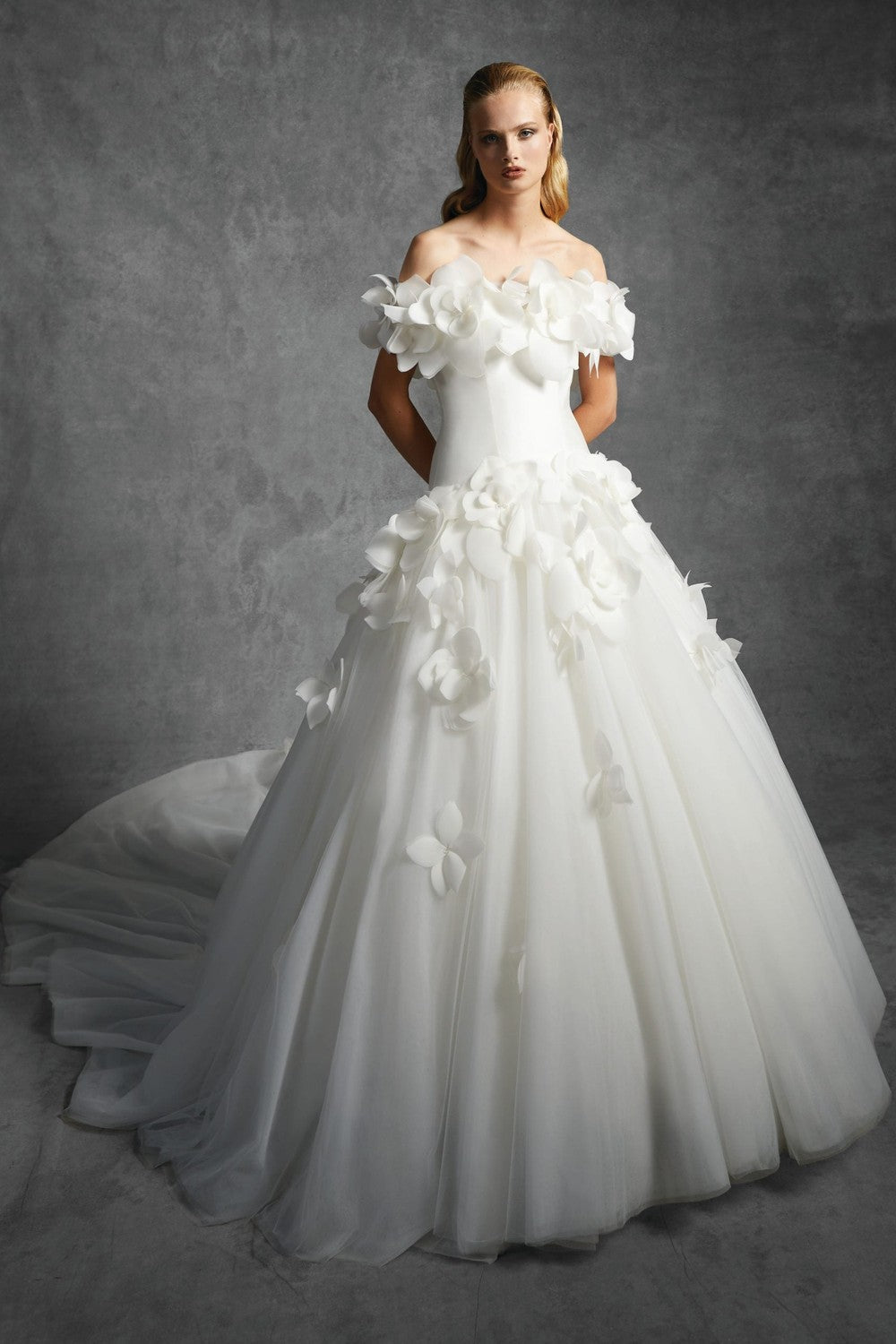
The phrase Pnina dress usually points to the work of Pnina Tornai, whose bridal aesthetic is known for glamour, structure, and a distinctly feminine sense of drama. Think sculpted bodices, corsetry that shapes the body beautifully, and lace that feels richly layered rather than delicate in a whisper-soft way.
A Tornai Pnina gown often balances sensuality with ceremony. Many brides are drawn to the way these designs highlight the waist, elongate the figure, and create a memorable entrance without losing the romance that makes a wedding dress feel special.

Silhouettes Brides Love
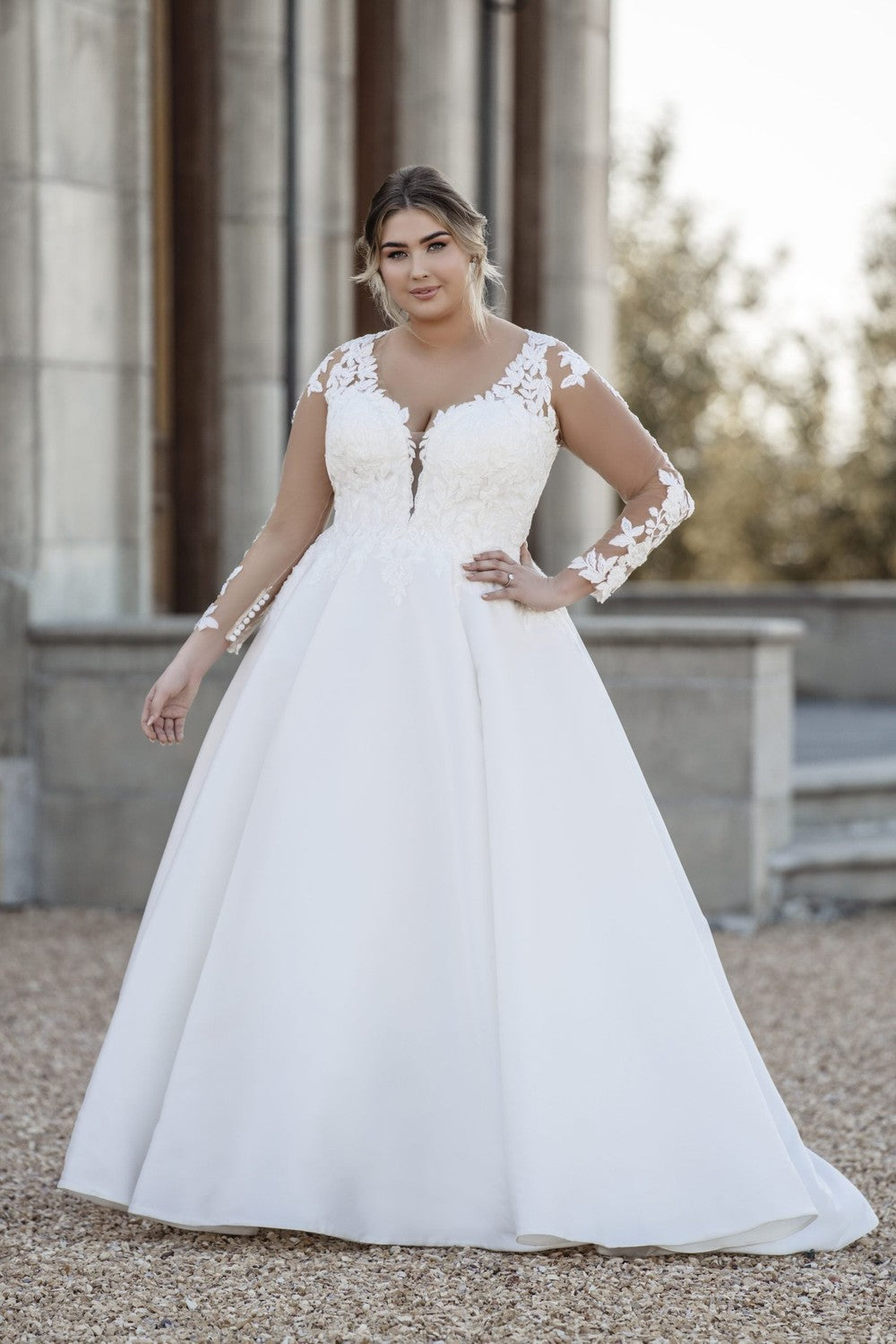
One reason the search for a Pnina dress remains so popular is the breadth of silhouettes within the designer’s world. Brides may picture a mermaid shape with sculpted lace, a fitted gown with illusion detailing, or a fuller skirt that still feels modern and refined.
If you are comparing a Pnina gown with other designer styles, it helps to focus on how each silhouette moves on the body. A mermaid can feel especially striking for brides who want definition and drama, while softer A-line shapes can offer a more effortless kind of elegance. The right choice is less about trend and more about how the gown makes you feel when you see it in motion.

How It Compares To Other Designers
Brides often search for a Randy dress or a Rivini dress alongside Pnina Tornai, which makes sense. These designers each offer a distinct point of view, even when they share a commitment to craftsmanship and flattering construction.
A Randy dress may appeal to brides who want fashion-forward glamour with a polished finish, while a Rivini dress often speaks to those who love sleek lines and understated luxury. Pnina Tornai tends to lean more ornate and sculptural, with a signature presence that feels unmistakably bridal. Seeing them side by side in a salon setting can clarify which aesthetic feels most like you.
Details That Matter Most
When brides fall for a Pnina dress, it is usually because of the details. Lace placement, neckline shape, corset structure, and embellishment all contribute to the overall effect. Even subtle changes in these elements can transform how a gown feels once it is on the body.
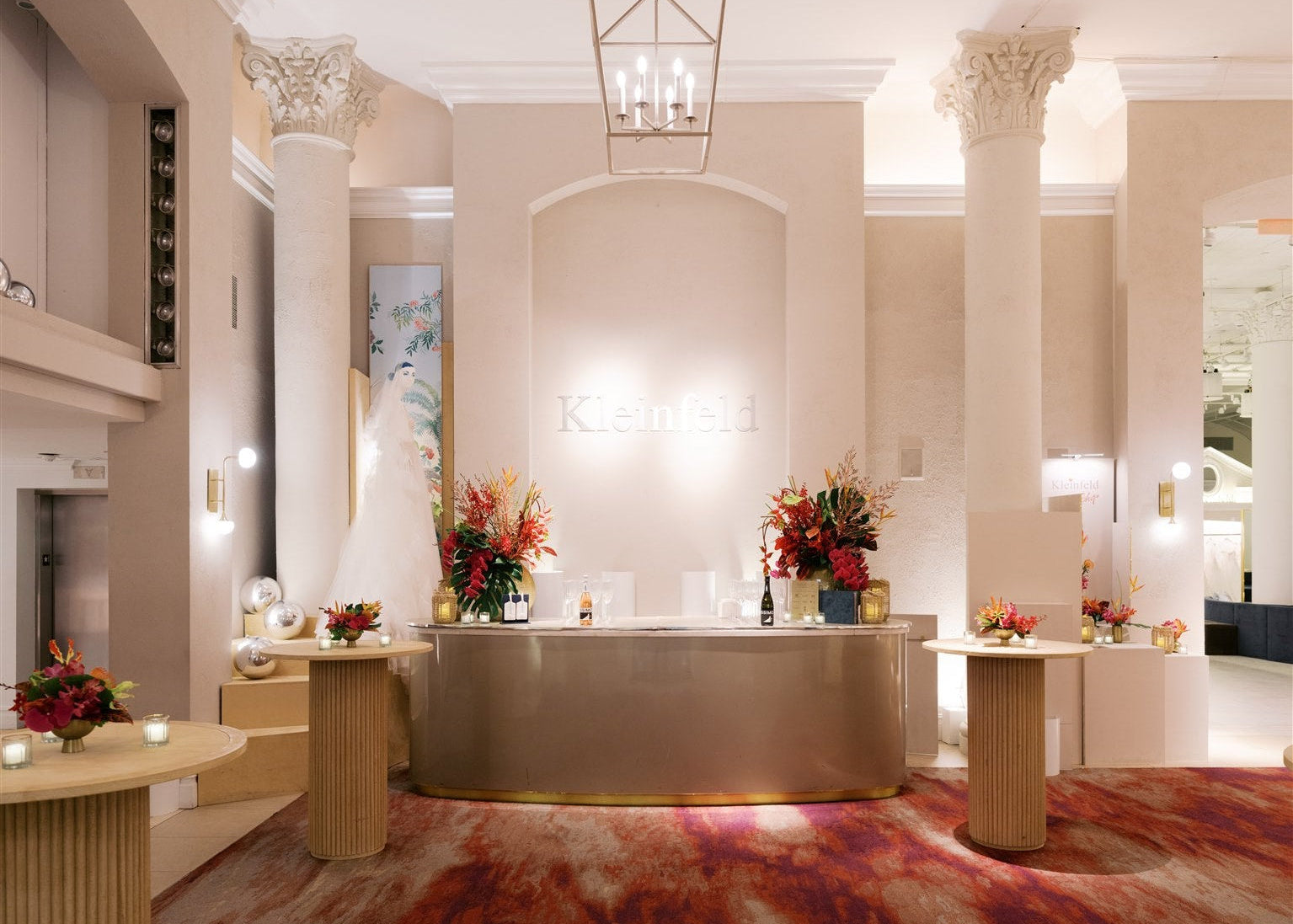
That is why trying on gowns in person matters so much. Fabric weight, fit through the waist and hip, and the way a train falls behind you are difficult to understand from a screen alone. At Kleinfeld Bridal, an appointment gives you the chance to compare these nuances with expert guidance, so the gown you choose feels considered from every angle.
If you are drawn to the signature glamour of a Pnina dress, or you want to compare Tornai Pnina, Randy, and Rivini styles in one place, the best next step is to visit the salon. An appointment at Kleinfeld Bridal lets you experience the craftsmanship, fit, and presence of these gowns in person with expert guidance.
Book your appointment at Kleinfeld to see in person.